Understanding Canadian Institution Profiles
A detailed look at how we evaluate and present Canadian colleges and universities, helping you make informed decisions about where to pursue your IT education.
What Every Institution Profile Contains
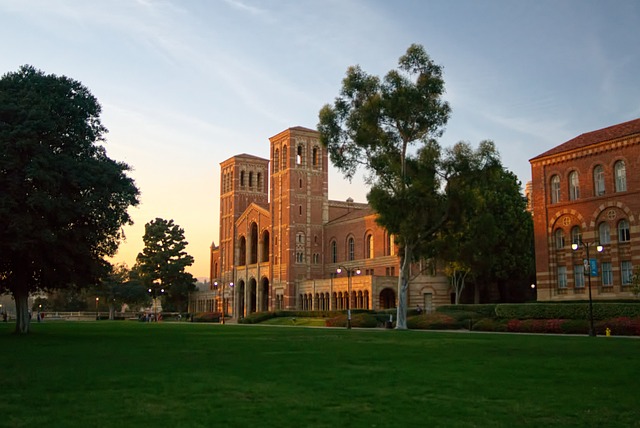
When we build an institution profile, we pull from multiple verified sources — the institution's official calendar, IRCC's Designated Learning Institution (DLI) list, provincial regulatory bodies, and aggregated graduate outcome surveys published by organizations like the Education Policy Research Initiative (EPRI). Each profile is structured to answer the five questions prospective IT students ask most frequently: What programs are offered? How much does it cost? Can I get a work permit afterward? What does the campus actually look like? And how quickly do graduates find employment?
We update tuition figures and admission requirements at the start of each academic cycle — typically September and January — and flag any mid-year changes that affect international student eligibility. The summative assessment of each institution draws on publicly available data rather than institutional marketing materials, which means some schools score lower on our rubric than their brochures might suggest. That methodical honesty is deliberate.
Key Data Points in Every Profile
Each institution profile is divided into discrete, comparable sections so you can evaluate schools against a consistent framework rather than parsing inconsistent marketing language.
IT Program Catalogue
The centrepiece of every profile is a complete listing of IT-related programs the institution offers — from two-year college diplomas through four-year honours degrees and one-year post-graduate certificates. Each listing shows the credential type, program duration, whether co-op is mandatory or optional, the program's DLI number for PGWP eligibility, and the current tuition bracket for both domestic and international students. We categorize programs across our nine standard disciplines — software development, cybersecurity, data science, AI, cloud computing, networking, web development, computer science, and business analytics — so comparisons across institutions use a common taxonomy rather than each school's internal naming convention.
Explore All ProgramsTuition & Financial Aid
We present tuition per academic year alongside ancillary fees, technology fees, and health insurance levies that many institutions bury in footnotes. Scholarship availability is cross-referenced with our scholarship finder tool.
Find ScholarshipsAdmission Requirements
Minimum GPA thresholds, prerequisite courses, English language proficiency scores (IELTS, TOEFL, PTE, Duolingo), portfolio requirements, and any prior credential evaluation mandates like WES or IQAS are documented for each program.
Application Deadlines
We list intake-specific deadlines — fall, winter, and summer — along with early-admission windows and rolling-admission indicators. International students receive an additional flag if study permit processing times suggest applying earlier than the stated deadline.
Campus & Location
Province, city, proximity to public transit, on-campus housing availability, and the local cost-of-living index relative to the national average. For institutions with multiple campuses, we specify which campus delivers the IT program.
Cost of Living GuideGraduate Outcomes
Employment rates within six months of graduation, median starting salaries by program, and the percentage of graduates who obtained permanent residency within three years — all sourced from provincial Key Performance Indicator (KPI) surveys and IRCC open data.
Salary GuideWhat a Typical Profile Looks Like
Below is a representative example showing the data structure and detail level you can expect when browsing institution profiles on our platform.
Seneca Polytechnic
Featured Programs
How We Build and Verify Each Profile
-
01
Verify DLI Status & Accreditation
We confirm every institution appears on IRCC's official Designated Learning Institution list and holds valid accreditation from its provincial or territorial regulatory body. Institutions that have lost DLI status or face accreditation reviews are flagged and temporarily delisted until the issue resolves. This step catches roughly 3–5 institutions per review cycle that have quietly been removed from the DLI registry.
-
02
Aggregate Program & Tuition Data
Program details are pulled directly from the institution's academic calendar and fee schedule — never from third-party aggregation sites that lag behind by a semester or more. We normalize program names to our nine-discipline taxonomy and convert all tuition into a per-academic-year figure that includes mandatory ancillary fees, so the numbers you see reflect the real invoice amount.
-
03
Cross-Reference Graduate Outcomes
Employment rates and salary data come from provincial KPI surveys — Ontario's is published by Colleges Ontario, British Columbia's by the Student Outcomes division. Where available, we supplement with EPRI micro-data on tax-linked earnings for a five-year post-graduation window. Spaced repetition of these data checks every six months ensures figures stay current.
-
04
Publish & Monitor for Changes
Once published, profiles enter our monitoring queue. We track institutional announcements for tuition adjustments, program suspensions, new intake additions, and changes to co-op partnerships. Students who have bookmarked an institution receive an email notification when a material change affects a program they are considering — a feature our users cite as unexpectedly granular but genuinely useful.
Sample Institution Comparison
Use our comparison tool to evaluate multiple institutions side by side. Below is a snapshot of how the data appears — filtered to five representative schools offering cybersecurity programs.
| Institution | Province | Intl. Tuition/Yr | Duration | Employment | Co-op |
|---|---|---|---|---|---|
| Seneca Polytechnic | Ontario | $17,500 | 1 year | 89% | Optional |
| BCIT | British Columbia | $19,200 | 2 years | 93% | Mandatory |
| Algonquin College | Ontario | $16,800 | 2 years | 87% | Optional |
| SAIT | Alberta | $21,400 | 2 years | 91% | Mandatory |
| Polytechnique Montréal | Quebec | $24,600 | 4 years | 95% | Mandatory |
Institutions Across Every Major Province
Our directory covers DLI-verified institutions in every province and territory where IT programs are actively delivered, with the highest concentration in Ontario, British Columbia, Alberta, and Quebec — the four provinces that account for roughly 85% of Canada's tech employment.
Additional institutions in Manitoba, Saskatchewan, Nova Scotia, New Brunswick, and other provinces are also covered. Browse the full directory.
I was comparing two Ontario colleges — one offered a seemingly identical cybersecurity program at a lower tuition rate. The institution profile on this platform revealed that the cheaper option had lost its DLI status for a three-month window in 2024 due to a compliance review, which would have jeopardised my PGWP eligibility. That single data point saved me from a potentially intractable immigration complication. The side-by-side comparison made the decision unglamorous but methodical, which is exactly what you need when your visa status depends on the outcome.
Common Questions About Institution Profiles
How often are institution profiles updated?
Do you include private career colleges in your directory?
Can I compare institutions side by side?
What does "PGWP Eligible" mean on a profile?
How do you handle my data if I bookmark or compare institutions?
Get Personalized Institution Recommendations
With over 130 institutions in our directory, narrowing down the right fit can feel overwhelming — especially when you are factoring in tuition, location, co-op availability, and immigration implications simultaneously. Tell us about your priorities, and our consultation team will shortlist three to five institutions that match your profile. No sales pressure, no obligation.
Ready to Explore Institutions?
Browse our complete directory of 130+ accredited Canadian colleges and universities offering IT programs, or let our AI recommender suggest the best matches based on your background and goals.