Canadian Study Permit Guide for IT Students
A comprehensive, step-by-step walkthrough of the study permit application process — from eligibility checks to biometrics — written with IT program applicants in mind.
What Is a Canadian Study Permit?
A study permit is the official document issued by Immigration, Refugees and Citizenship Canada (IRCC) that authorises a foreign national to study at a Designated Learning Institution (DLI) in Canada. It is not a visa — it is a separate authorisation that you carry alongside your temporary resident visa or electronic travel authorization (eTA).
For IT students specifically, the study permit is the gateway to the Post-Graduation Work Permit (PGWP), which in turn feeds into Express Entry and Provincial Nominee Programs. Choosing a DLI-listed institution and a PGWP-eligible program at the outset is non-negotiable — a misstep here can invalidate your entire post-study immigration pathway. The permit typically covers the duration of your academic program plus an additional 90 days, giving you time to either apply for a PGWP or prepare to leave Canada.
Programs lasting six months or less do not require a study permit, but they also do not qualify for the PGWP. For any serious IT credential — whether a one-year graduate certificate in cybersecurity or a four-year computer science degree — you will need to go through the full application process described below.
Who Can Apply for a Study Permit?
Before assembling your application package, confirm that you meet every eligibility criterion below. IRCC officers assess each requirement independently — failing even one results in refusal.
Letter of Acceptance
You must hold a valid Letter of Acceptance (LOA) from a DLI-listed institution. For IT programs, double-check the DLI number against the IRCC database — some private career colleges appear legitimate but lack DLI status, which would void PGWP eligibility entirely.
Proof of Financial Support
IRCC requires proof you can cover tuition fees plus CAD $20,635 per year for living expenses (2025–2026 threshold) — or CAD $25,690 if studying in Quebec. Acceptable evidence includes a Guaranteed Investment Certificate (GIC), bank statements from the past four months, a scholarship letter, or a funding letter from a sponsor.
Identity & Travel Documents
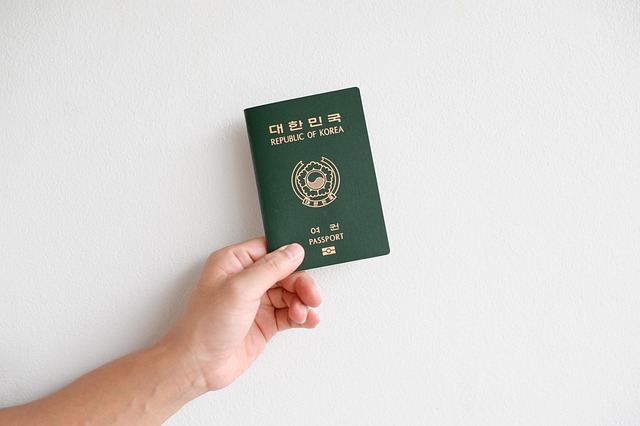
A valid passport with at least six months of remaining validity beyond your planned departure date from Canada. You may also need a temporary resident visa (TRV) or eTA depending on your nationality. Citizens from visa-exempt countries still need an eTA, which is processed alongside the study permit application.
Language Proficiency
While IRCC does not mandate a language test for the study permit itself, most IT programs require an IELTS Academic score of 6.0 to 6.5 (or TOEFL iBT equivalent). Some colleges accept Duolingo English Test scores above 110. Having test results ready strengthens your study permit application by demonstrating genuine intent.
Medical Examination
Applicants from certain countries must complete an upfront Immigration Medical Examination (IME) with a panel physician designated by IRCC. Even if your country is exempt, IRCC may request a medical during processing. Book with a panel physician early — appointment backlogs of three to four weeks are common in high-volume cities like Lagos, Mumbai, and Manila.
No Criminal Inadmissibility
You must be admissible to Canada — meaning no criminal convictions that would trigger inadmissibility under the Immigration and Refugee Protection Act (IRPA). A police clearance certificate from every country where you have lived for six or more months since age 18 is typically required.
The Study Permit Application Process
Most IT students apply online through the IRCC portal. The process involves seven distinct stages, each with its own timeline and potential bottlenecks. Plan for 12 to 20 weeks from start to finish.
-
01
Secure Your Letter of Acceptance
Apply to your chosen IT program at a DLI and wait for the official LOA. Most Ontario colleges issue LOAs within two to four weeks of receiving a complete application. Some programs — particularly competitive computer science degrees at universities — can take six to eight weeks. Your LOA will contain a DLI number and a student ID; both appear on your study permit application form (IMM 1294).
-
02
Create Your IRCC Online Account
Register on the IRCC portal using either a GCKey or your bank credentials via Sign-In Partner. Once inside, select "Study Permit" under the application type. The system will generate a personalised document checklist based on your nationality and program details. Save this checklist — it is your roadmap for the next several weeks.
-
03
Gather & Upload Documents
Compile your LOA, proof of funds (GIC receipt or bank statements), passport copy, digital photos (35mm × 45mm, white background), language test results, academic transcripts, and your Statement of Purpose (SOP). The SOP is particularly scrutinised — IRCC officers look for a clear link between your study plan, your prior education, and your home-country career intentions. For IT applicants, articulate why you need Canadian training specifically: reference curriculum elements, co-op opportunities, or research labs that are unavailable in your home country.
-
04
Pay the Application Fee
The study permit application fee is CAD $150. If you are from a country that requires biometrics, an additional CAD $85 fee is collected at the same time. Payment is made online via credit or prepaid card. After payment, you will receive a biometrics instruction letter (BIL) if applicable — this letter is valid for 30 days, so book your biometrics appointment immediately.
-
05
Complete Biometrics
Visit a designated biometrics collection site (Visa Application Centre or Application Support Centre) within 30 days of receiving your BIL. Bring the BIL, your passport, and the receipt confirmation. Fingerprints and a photo are captured and remain valid for 10 years. Processing does not begin until biometrics are received — any delay here pushes your entire timeline.
-
06
Wait for Processing & Decision
Processing times vary by country of residence — typically eight to sixteen weeks. Check IRCC's online processing time tool for current estimates. During this period, an officer may request additional documents or a medical exam. Respond to any requests within the stated deadline. If approved, you will receive either a Port of Entry (POE) introduction letter (if you need a visa) or just the digital approval (if you are visa-exempt). If refused, the refusal letter will cite specific reasons under IRPA — these are essential for understanding whether to reapply or request a judicial review.
-
07
Arrive in Canada & Activate Your Permit
At the Canadian port of entry, present your POE letter, passport, LOA, and proof of funds to the Canada Border Services Agency (CBSA) officer. They will verify your documents and issue the physical study permit. Check it immediately for errors — name spelling, DLI number, program dates, and work authorisation conditions. Any mistake needs to be flagged before you leave the border zone, as corrections later require a formal amendment application.
Document Checklist for IT Program Applicants
| Document | Details | Priority |
|---|---|---|
| Letter of Acceptance | Original LOA with DLI number from your institution | Mandatory |
| Valid Passport | Minimum 6 months validity beyond planned departure | Mandatory |
| Proof of Funds | GIC, bank statements (4 months), or sponsor letter | Mandatory |
| Passport Photos | 35mm × 45mm, white background, taken within 6 months | Mandatory |
| Statement of Purpose | Explain study plan, career goals, and ties to home country | Strongly Recommended |
| Language Test Results | IELTS, TOEFL, or Duolingo (check program requirements) | Strongly Recommended |
| Academic Transcripts | Certified copies of all post-secondary records | Mandatory |
| Police Clearance | From each country of residence (6+ months since age 18) | Mandatory |
| Medical Exam Results | From an IRCC-designated panel physician | Country-Dependent |
Student Direct Stream & Processing Tips
Student Direct Stream (SDS)
Applicants from 14 eligible countries — including India, China, the Philippines, Pakistan, Nigeria, and Vietnam — can use the Student Direct Stream for faster processing, often within 20 calendar days. SDS requires a GIC of CAD $20,635, first-year tuition paid in full, an IELTS score of 6.0+ in each band (or TEF/TCF equivalent for French), and a medical exam completed upfront. The SDS is not a separate visa class; it is an administrative fast-track that prioritises applications meeting a specific checklist. If any SDS requirement is missing, your application defaults to the regular processing stream — it is not refused, just slower.
For IT students from SDS-eligible countries, this is typically the optimal route. The GIC doubles as your proof of funds, so you satisfy two requirements with a single deposit.
Expert Tips to Avoid Refusal
- Be specific in your SOP. Generic phrases like "Canada has good education" invite refusal. Reference specific courses, faculty research groups, or co-op employers.
- Demonstrate ties to your home country. Officers look for evidence you intend to return — property ownership, a family business, or a job offer contingent on Canadian credentials.
- Front-load your medical exam. If your country is on the upfront medical list, schedule the IME before you submit — not after. This can shave three to five weeks off processing.
- Avoid switching programs post-LOA. Changing your program after the LOA is issued requires a new LOA and potentially a new study permit application — both consume time and money.
- Submit complete applications. Incomplete submissions trigger procedural fairness letters, adding four to eight weeks. Double-check every upload against the personalised IRCC checklist.
Continue Your Research
Visa Requirements
Temporary resident visa vs. eTA — which one applies to you? A nationality-by-nationality breakdown with current processing timelines.
Cost of Living
Realistic monthly budgets for IT students in Toronto, Vancouver, Montreal, and smaller cities. Rent, food, transit, and insurance compared.
Scholarships & Grants
Entrance awards, provincial bursaries, and institution-specific funding for international IT students — many go unclaimed each year.
Study Permit Questions
How long does the study permit application take to process?
Can I work while my study permit is active?
What happens if my study permit application is refused?
Do I need a study permit for a short IT bootcamp or certificate?
How does IT Education in Canada handle my personal information?
Need Help With Your Study Permit Application?
Our consultation team includes former admissions officers and advisors familiar with IRCC procedures. Tell us about your situation, and we will provide guidance on your document package, SOP approach, and timeline — within one business day. This is not immigration legal advice; for complex cases, we refer you to RCIC-registered consultants.
Explore IT Programs Before You Apply
Browse 200+ accredited IT programs across Canada. Compare tuition, co-op availability, and PGWP eligibility side by side — and find the right fit before starting your study permit journey.